.svg)
.svg)
As Amazon continues to refine its logistics ecosystem, shipping and fulfillment decisions have become a strategic factor rather than a purely operational one. In 2026, sellers are no longer choosing between convenience and control alone - they are selecting fulfillment models that directly influence cost structure, customer experience, scalability, and long-term brand growth.
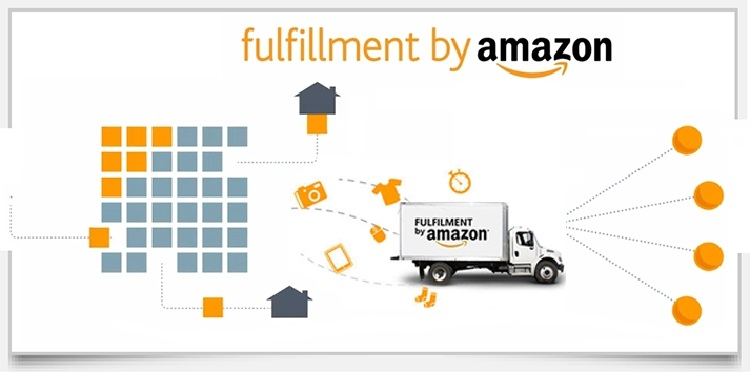
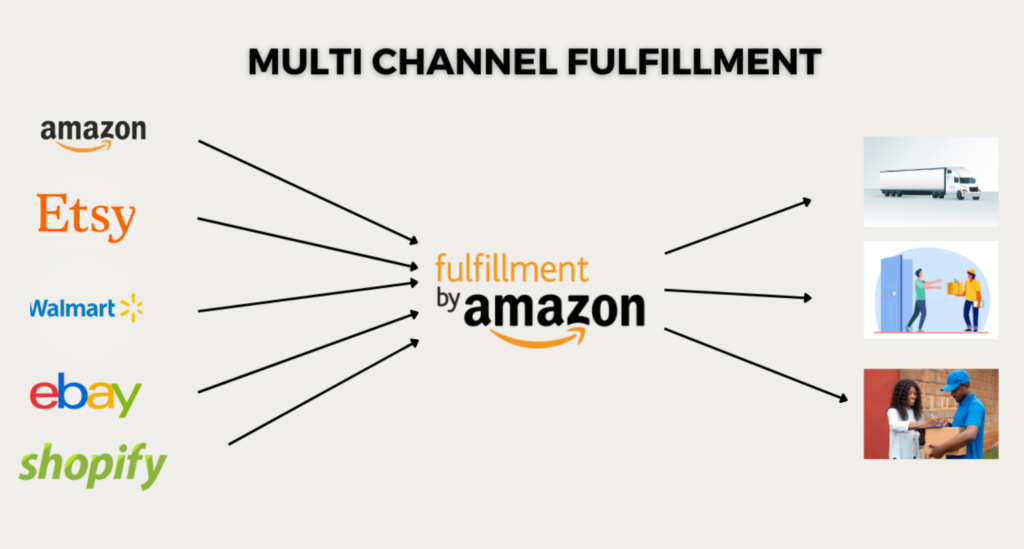
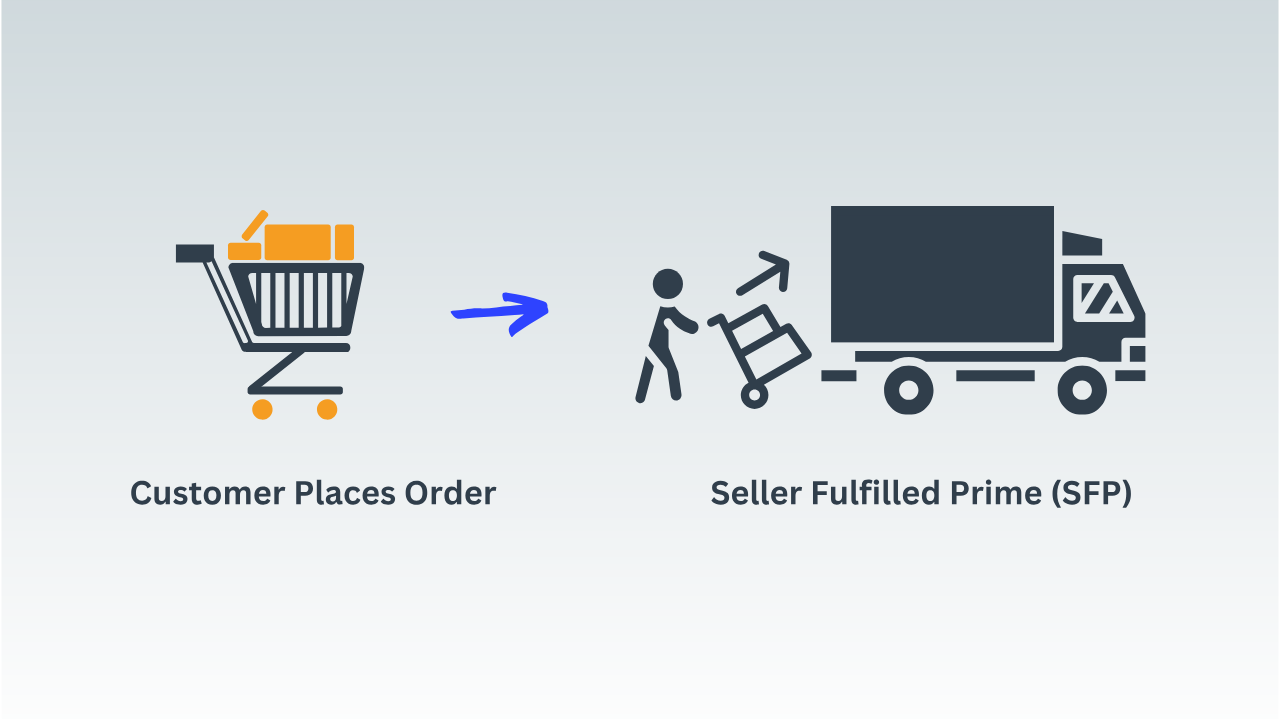
Amazon now offers a broad range of shipping programs, from the fully managed Fulfillment by Amazon (FBA) model to more flexible options such as Fulfillment by Merchant (FBM), Multi-Channel Fulfillment (MCF), and Seller Fulfilled Prime (SFP). In addition, services like Prep and Ship, Inventory Placement, and Amazon Global Logistics further extend Amazon’s role beyond marketplace fulfillment into end-to-end supply chain support.
Understanding how each program works, what trade-offs it involves, and which business models it best supports is critical for sellers operating in an increasingly competitive and margin-sensitive environment. This guide breaks down Amazon’s key shipping and fulfillment programs in 2026, helping sellers align their logistics strategy with their growth objectives, operational capabilities, and global expansion plans.