PayPal
Get Your BusinessReady To Grow!
Sliner
By Admin UserMarch 6, 2026 at 11:02 AM GMT+7

Managing Multiple Billion-Dollar Brands (Barbie, Hot Wheels) on a Single Backend: Mattel’s Centralization Strategy

Discover Mattel's centralized strategy: managing Barbie and Hot Wheels on a single backend to optimize global operations.

Managing Multiple Billion-Dollar Brands (Barbie, Hot Wheels) on a Single Backend: Mattel’s Centralization Strategy

Introduction

The fragmentation of backend systems presents a significant challenge for multinational corporations. Operating across disjointed platforms frequently results in elevated management costs, operational inefficiencies, and highly inconsistent customer experiences across various regional markets. Addressing these systemic issues requires a streamlined and unified approach to e-commerce infrastructure.

 
This article examines Mattel's centralized strategy, detailing how the toy manufacturing giant successfully migrated billion-dollar brands such as Barbie and Hot Wheels onto a single Shopify Plus backend to optimize operations and drive sustainable global growth.


 

1. Mattel’s brand landscape and eCommerce challenges

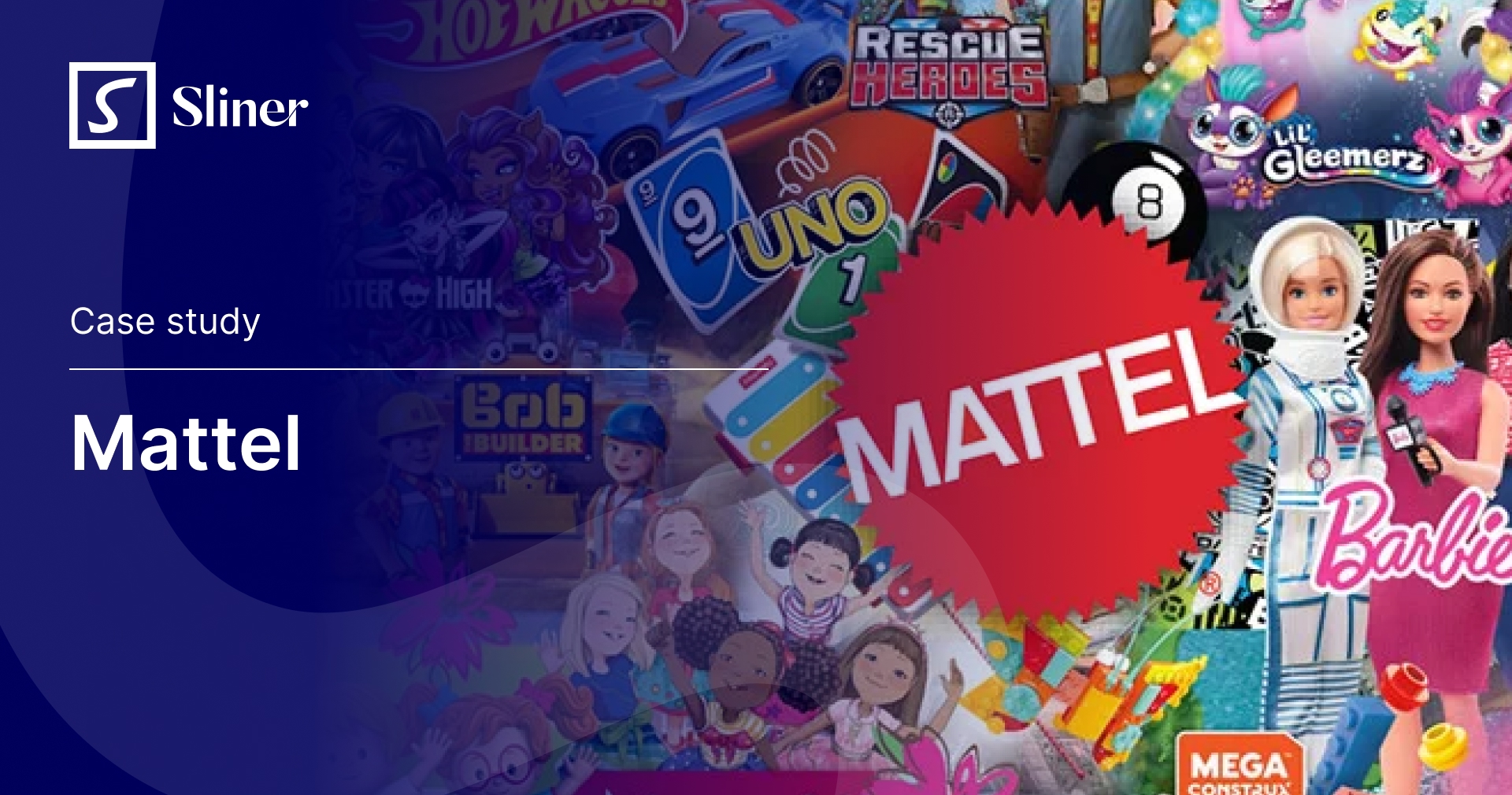
Mattel is one of the world’s leading toy manufacturers, owning a portfolio of iconic brands including Barbie, Hot Wheels, Fisher-Price, and American Girl. 


As consumer purchasing increasingly shifted online, Mattel confronted a significant eCommerce challenge: how to manage multiple diverse and globally recognized brands without fragmenting operational systems or diluting the customer experience.


Historically, Mattel relied on a collection of separate backend systems across brands and regions, leading to:

      •    Increased operational cost

      •    Complexity in content management

      •    Difficulty in consolidating analytics

      •    And inconsistent user journeys between brands. 


Each individual system created redundant workload and operational friction when managing inventory, updates, and promotional campaigns across markets.


Faced with these limitations, Mattel set a strategic objective: to adopt a centralized eCommerce platform capable of supporting multiple global brands with diverse needs, while enabling scalability, efficient data management, and unified brand experiences.


2. Centralizing operations on a single backend with Shopify Plus

To solve fragmented backend issues, Mattel transitioned to Shopify Plus as a single centralized platform for all of its direct-to-consumer eCommerce operations. 


This strategy was built on several key principles.

      •    Mattel structured a unified backend system that supports all brand storefronts, allowing each brand to maintain its unique identity while operating on the same technological foundation. This architecture reduced redundant development and lowered maintenance overhead.

      •    Shopify Plus’s flexible configuration enabled Mattel to manage market-specific storefronts with multi-language and multi-currency support, critical for a global enterprise with customers in North America, Europe, and Asia. This allowed the brand team to deploy campaigns and localized experiences without standing up separate platforms for each market.

      •    The result was a technology stack consolidated into a single backend, significantly reducing complexity and operational costs. A centralized system also empowered internal teams to manage inventory, pricing, and content more consistently across brands while streamlining analytics and reporting.


3. Strategic benefits of backend centralization

The migration and centralization yielded measurable strategic advantages for Mattel.

      •    First, operational efficiency improved dramatically. Teams no longer toggled between multiple systems to update product information, pricing, or promotions. A unified backend simplified content governance and reduced human error, allowing resources to be focused on strategic initiatives rather than repetitive operational tasks.

      •    Second, a single platform delivered consistent customer experiences across brands. Whether purchasing Barbie merchandise or browsing Hot Wheels products, customers encountered unified UI/UX standards, faster page loads, and seamless checkout flows. This consistency reinforced brand reliability and contributed to higher conversion rates.

      •    From a data perspective, centralized analytics enabled Mattel to track customer behavior across the entire brand ecosystem. Unified data streams offered deeper insights into consumer patterns, enabling targeted marketing and optimized resource allocation.


4. Driving global scale and expansion

Centralizing backend systems also unlocked strategic growth opportunities.


Beyond streamlining internal operations, this architecture supported Mattel’s ambitions in global markets. Brands like Barbie and Hot Wheels are recognized worldwide, and a unified eCommerce platform allowed Mattel to rapidly deploy localized experiences without replicating entire systems.


Standardizing the customer experience empowered Mattel to better handle peak demand seasons, regional promotions, and sudden traffic spikes without platform instability. For a global enterprise competing in an increasingly digital marketplace, this responsiveness is a critical competitive advantage.


5. Strategic takeaways for multi-brand enterprises

The Mattel Creations case highlights several strategic lessons for businesses managing multiple brands:

      •    Centralize technology on a scalable, flexible platform to reduce operational overhead.
      •    Ensure consistent customer experiences across brands and regions to build loyalty and increase conversions.
      •    Leverage centralized data to inform business strategy and optimize marketing effectiveness.
      •    Prepare infrastructure to meet peak demand and support rapid expansion without platform fragmentation.

      •    These lessons are especially relevant for enterprises managing multiple product lines or planning international expansion.


Expand on Shopify with expert support


To successfully implement a multi-brand centralization strategy like Mattel's, contact Sliner to deploy Accounting Automation services. Sliner supports direct integration with the Shopify platform to automate accounting entries, consolidate data, and provide financial reports on a real-time dashboard, ensuring smooth operations and saving time.


Suggested Topics:EcommerceShopifyCase studyThương mại điện tử
S

Sign up for the latest insights

Receive in-depth analysis, market trends, and the latest updates on finance and technology every week.

Join 5,000+ finance professionals. Unsubscribe anytime.